
Fragrance vs Scent: What’s the Difference and Why Does It Matter?
At Friendly Soap, we believe in keeping things simple, natural, and kind - to people, animals and the planet. Our handmade soaps, crafted in our Yorkshire workshop, are scented only with essential oils, never synthetic fragrances. But why does this matter? And what’s the difference between fragrance and scent anyway?
Below, we answer questions about fragrance vs scent, so you can make informed choices for your skin, health and the environment.
What’s the Difference Between Fragrance and Scent?
Q: Are fragrance and scent the same thing?
While the terms are often used interchangeably, there’s a key difference:
- Scent refers to the natural aroma derived from plants, fruits, or other organic sources (e.g., lavender, citrus, or peppermint essential oils).
- Fragrance (or parfum) is a broader term that can include synthetic chemicals designed to mimic or enhance scents. These are often lab-created and may contain hundreds of undisclosed ingredients.
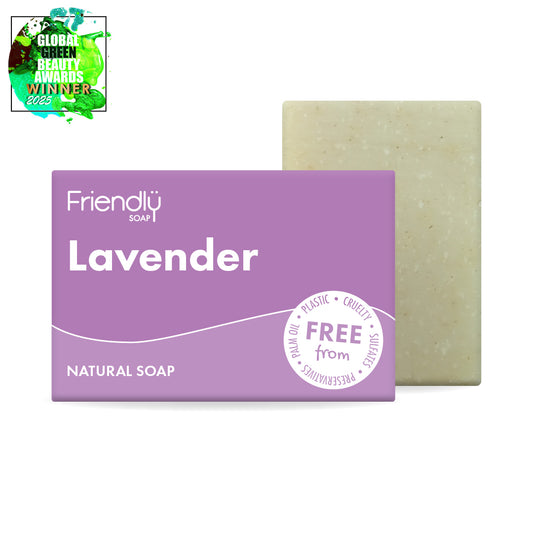
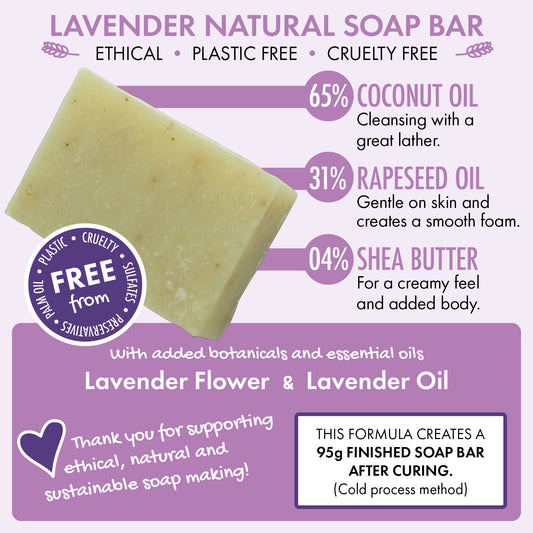
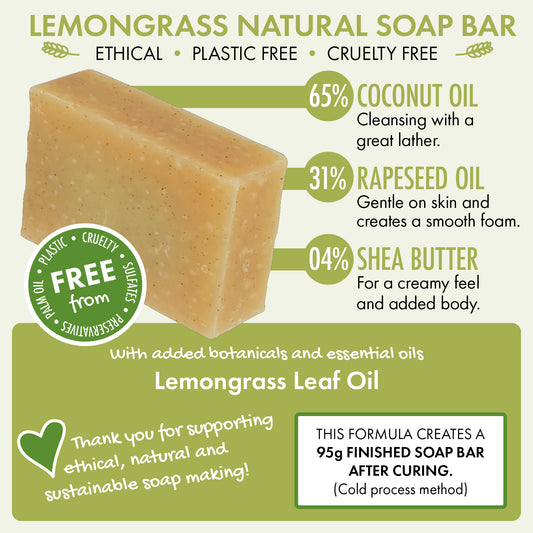
At Friendly Soap, we only use essential oils - so our bars are naturally scented, never artificially fragranced.

Why Avoid Synthetic Fragrances?
Q: Are synthetic fragrances bad for you?
Research suggests yes, they can be. Here’s why:
Synthetic fragrances can contain up to 200 undisclosed chemicals, some of which are linked to health concerns*:
- Allergies and sensitivities (skin, eye, nose, and throat irritation)
- Asthma triggers (studies show fragrances can provoke attacks)
- Hormone disruption (affecting development, fertility, and even increasing the risk of breast cancer cell proliferation)
- Long-term exposure risks (potential links to cancer, reproductive issues, and endocrine disruption)
Environmental Impact
- Toxic to aquatic life (synthetic compounds can accumulate in waterways and the food chain)
- Phthalates (often found in fragrances) are known endocrine disruptors and environmental pollutants
Regulatory Gaps
While the UK/EU bans many harmful substances, synthetic fragrances are still poorly regulated. Companies can hide ingredients under the term "fragrance" or "parfum", - meaning you don’t know what you’re putting on your skin.
Q: Are natural scents safer?
Yes - when used responsibly. Essential oils (like the ones in Friendly Soap bars) are:
✅ Derived from plants (no hidden chemicals)
✅ Biodegradable (kinder to the planet)
✅ Less likely to cause irritation (though allergies can still occur, so always patch test!)
However, not all "natural" scents are equal. Some brands use "natural-identical" fragrances - lab-made copies of natural scents, which can still be harmful. True natural scents come from pure essential oils.

How to Choose Safer Products
Q: How can I reduce my exposure to synthetic fragrances?
Follow these expert-backed tips from Ethical Consumer:
- Use fewer products, less often – simplify your routine.
- Check ingredient lists – avoid "fragrance," "parfum," or "phthalates."
- DIY when possible – make your own cleaning or beauty products.
- Buy from trusted brands – look for companies with strong toxic chemical policies (Friendly Soap!).
Q: How do I know if a product uses natural scents?
Look for:
✔ "Scented with essential oils" (like our bars!)
✔ Certifications (e.g., Cruelty-Free, Vegan, Plastic-Free)
✔ Transparent ingredient lists (no hidden "fragrance" blends)
At Friendly Soap, we never use synthetic fragrances - just 100% natural essential oils for a pure, simple scent.

Why Friendly Soap Uses Only Essential Oils (...And Why Your Soap Bar Doesn’t Smell as Strongly as Other Non-Natural Brands)
We’re proud to be different:
- Handmade in Yorkshire – small-batch, local, and ethical.
- Plastic-free & cruelty-free – kind to animals and the planet.
- No synthetic fragrances – only essential oils for a true, natural scent (sometimes this isn’t as strong as you might expect)
- Simple ingredients – because your skin (and the Earth) deserve better.