
We’re Proudly Sulphate-Free and Phosphate-Free (And Why the Rules Make It Complicated to Say So)
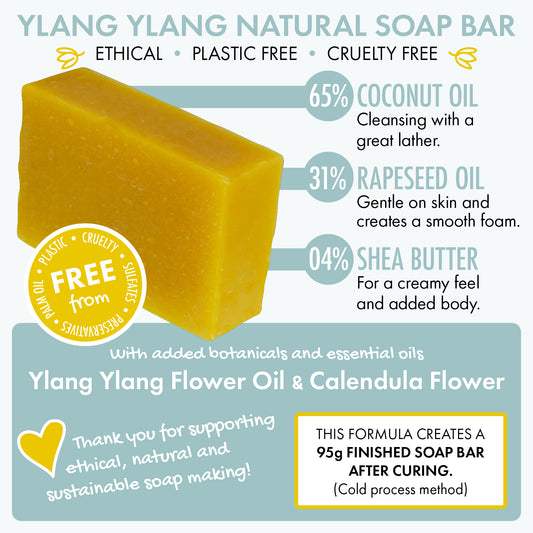
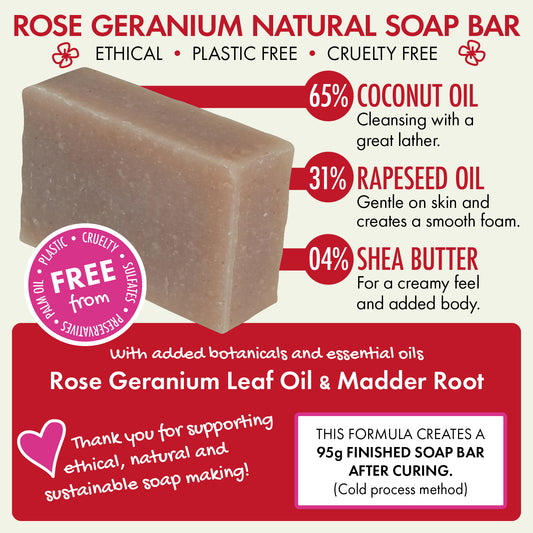
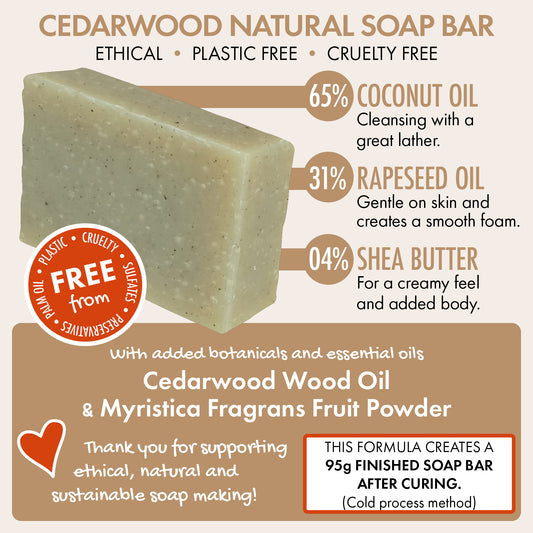
At Friendly Soap, our philosophy is simple: what you put on your skin and into your washing machine should be as gentle, natural, and honest as possible. That is why every bar we craft relies on straightforward, plant-based ingredients like shea butter, coconut oil, and essential oils.
We deliberately avoid sulphates and phosphates. Sulphates can strip the skin of its natural moisture barrier, leading to dryness and irritation. Phosphates, meanwhile, are not kind to the environment; when they wash down the drain, they contribute significantly to water pollution and algal blooms.

So Why Are Sulfates and Phosphates Used?
Sulfates are powerful surfactants that act as detergents. Manufacturers use them to break down grease, oil, and product buildup, and to create a thick, foamy lather.
Phosphates act as powerful "builders" that soften water by binding with hard minerals (like calcium and magnesium), enhance stain breakdown, and maintain ideal pH levels.
But our argument is: if we can make a product that avoids it, why aren't all manufacturers of soap and shampoo producing their products without it too?
Because we care about both your health and the planet, our dishwasher and laundry powders are formulated to be sulphate-free and phosphate-free. We are proud of this fact - and have shouted about it. But in fact, under current UK and EU regulations, the use of “free-from” claims in cosmetics is heavily restricted.

The Rules Behind the Label
You might assume that any brand could proudly declare a product “free-from” anything they choose. After all, if it’s true, isn’t it just helpful information? Under current UK and EU cosmetic regulations, however, there are strict guidelines designed to keep marketing honest and prevent fear-mongering.
The core rule is this: You cannot use a “free-from” claim if it implies that a legal, permitted ingredient is dangerous or inferior. And we can’t deny this fact: these chemicals aren’t illegal or not permitted. They are both.
(But we still don’t want to use them in our bars or powders.)

There is a ‘Common Criteria for Cosmetic Claims’
These are regulations that are enforced and overseen by bodies such as the Competition and Markets Authority (CMA).
A “free-from” claim is generally considered misleading if it:
- Creates the perception that an authorised, safe ingredient is harmful.
- Unfairly denigrates a competitor’s product that uses the same safe ingredient.
- Suggests guaranteed properties based solely on absence (for example, claiming a product is “allergen-free,” which is scientifically impossible to guarantee for every individual).
- Essentially, the law stops brands from creating panic around ingredients that scientists and regulators have deemed safe for general use. For instance, a brand shouldn’t scream “Paraben-Free!” if parabens are legally permitted and 'safe'
Preventing Greenwashing and Fear-Mongering
When critics ask why these rules exist, the answer lies in protecting consumers from manipulation. On one hand, the rules ensure companies don’t bash ingredients they wouldn’t use anyway, just because other companies are using them at ‘safe levels.’ On the other hand, they prevent greenwashing.
Without these rules, a company could highlight that they are “phosphate-free” to distract you from the fact that their formula is packed with other environmentally damaging chemicals. By restricting vague “free-from” claims, regulators force brands to focus on positive attributes rather than negative comparisons.

When Are “Free-From” Claims Allowed?
There are exceptions. A “free-from” claim is acceptable if it actively helps a specific consumer demographic make an informed, health-conscious, or ethical choice. This is where context matters.
Acceptable examples include:
- “Alcohol-free” mouthwash
- “Sulphate-free” shampoo for colour-treated hair (where the absence of sulphates specifically prevents colour fading; this highlights a functional benefit, not just a moral one)
- “Vegan” or “animal-derived ingredient free,” which helps those adhering to specific ethical lifestyle choices.

Our Approach: Focus on What’s In, Not Just What’s Out
This regulatory landscape detailed above is precisely why Friendly Soap will have to focus on transparency. We will absolutely continue to be sulphate- and phosphate-free (and we'll still be talking about why). But we'll also keep shouting about what we put in: high-quality oils, natural colours, and essential oils that are gentle on your skin and kind to the planet.
We believe you deserve products that work effectively with the least impact on you - and our planet.